LES PARFUMS LOUIS VUITTON
- August 5, 2016
-
 4,539
4,539
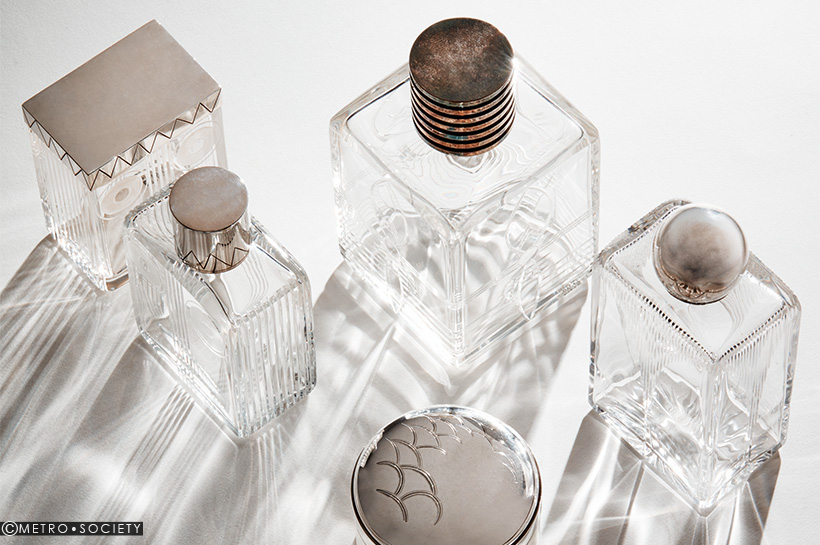
In 2016, the Maison Louis Vuitton is preparing to explore new territory: perfume. While unprecedented and firmly anchored in the House’s history, this olfactory path is not unchartered territory. Quite the contrary: it is informed by the trunk-maker’s legendary fondness for the vanity cases, travel flasks and fragrances stamped Louis Vuitton that were created throughout the 20th century.
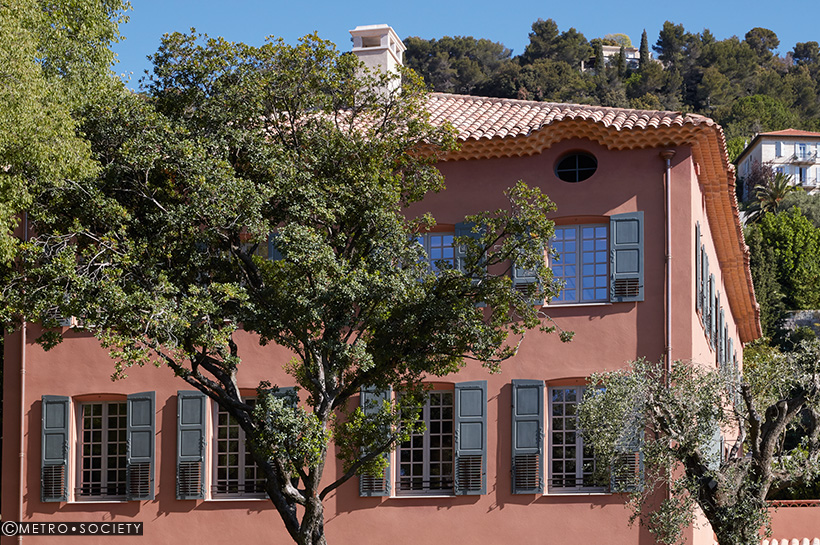
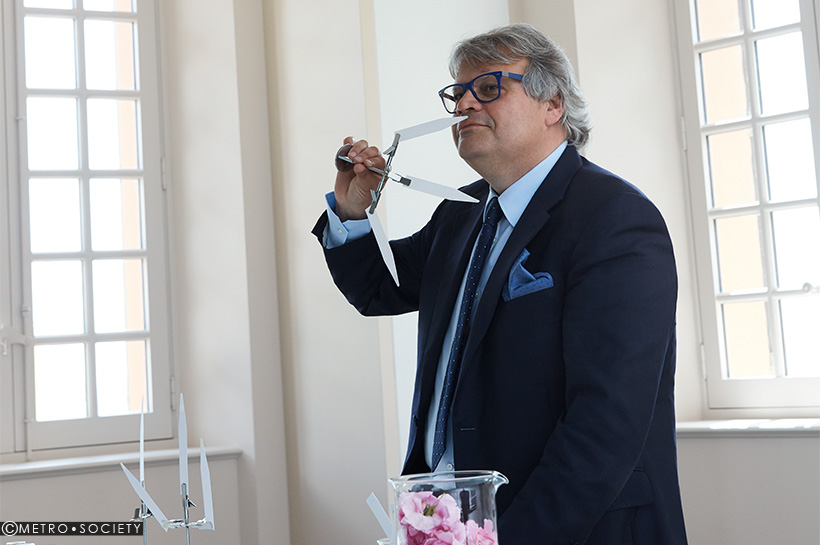
By way of an olfactory prelude, the Maison Louis Vuitton unveils its creative atelier in the heart of Grasse, in the Provence region of France; the unique background of house perfumer Jacques Cavallier Belletrud, and the palette of exclusive raw materials he has assembled since his arrival. It is an invitation to travel, a prologue to an imminent departure.
A PALETTE OF EXCLUSIVE RAW MATERIALS
Innovation in service of true luxury
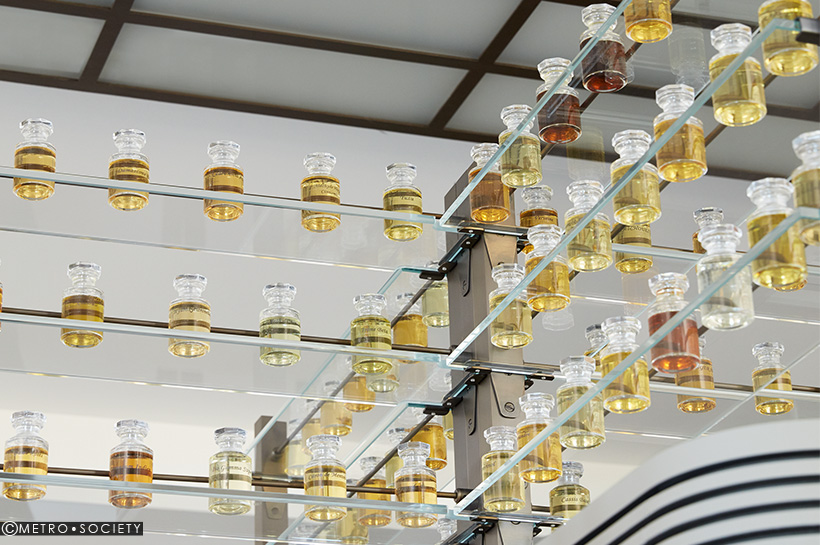
As visionaries, the trunk-maker Louis Vuitton and his descendants have always placed innovation at the heart of creation, a character trait recognizable from the development of the first waterproof trunk. This is because luxury should not settle for offering only what is rare and valuable: it must anticipate the future. In that spirit, Jacques Cavallier Belletrud didn’t settle for simply creating an extraordinary range of raw materials. For more than four years, he moved them forward. With the help of leading-edge technology, he has produced his own vision of a dream palette.
A first
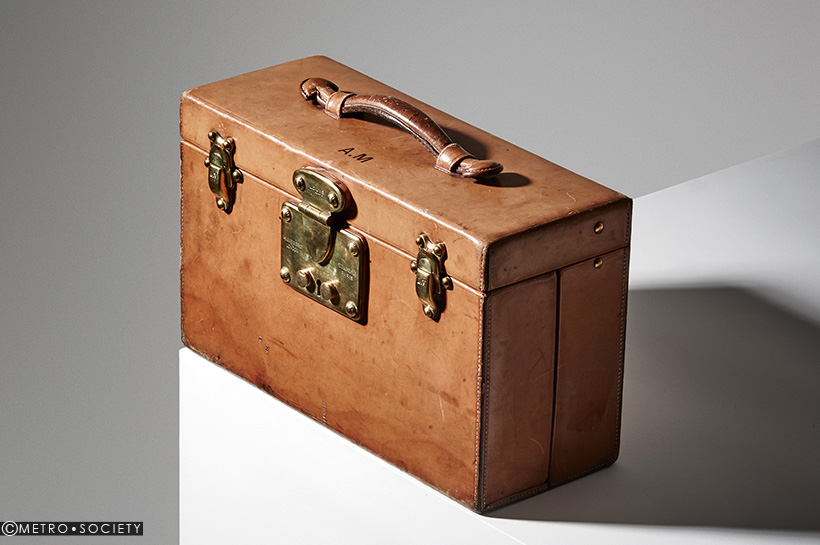
An infusion of Louis Vuitton leather
Of course, there already exist a number of notes for simulating the presence of leather in a perfume formula but visiting Louis Vuitton’s various workshops inspired Jacques Cavallier Belletrud to invent a made-to-measure infusion. Of all the leather aromas he explored, the one that drew him in was the gentle scent of natural leather, the light beige material used to cover the handles and straps of the Maison’s trunks and handbags. Fascinated by the subtlety of its fragrance, which is more floral than musky, Jacques Cavallier Belletrud asked the perfume workshop for an extraction of this leather. Steeped in alcohol, leather becomes resinoid, a dark substance that was clarified again and again until a limpid note was achieved. On the skin, it’s a perfume unto itself. This exclusive note possesses neither the aggressiveness of cade (juniper) nor the smokiness of birch. It is soft and sensual, like discovering leather for the first time.
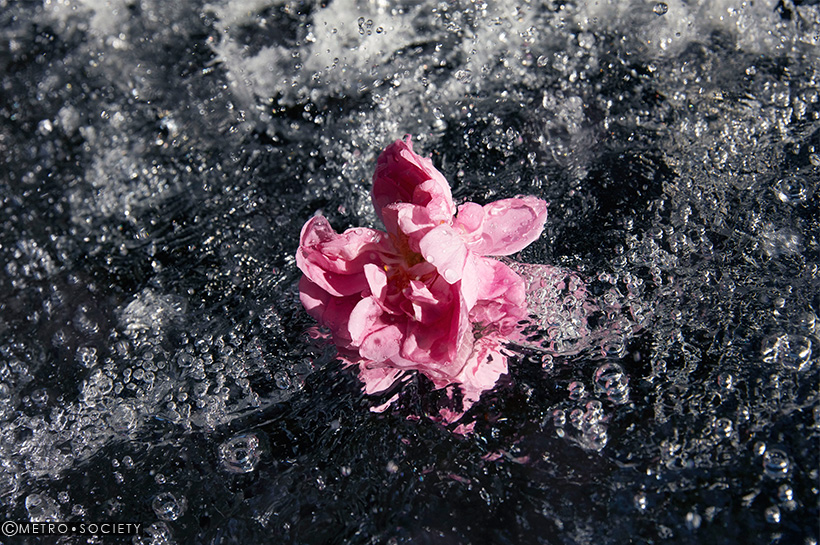
Exclusive flowers
As someone who is curious about all technological revolutions, Jacques Cavallier Belletrud has long been interested in supercritical CO2 extraction. This process, which is already used to extract ingredients such as vanilla, requires no heat. When bathed in cold gas, plants reveal all their subtlety. Jacques Cavallier Belletrud decided to test this method on fresh flowers starting with the two most prized flowers in perfumery: the May rose (centifolia) and jasmine, both of which come from Grasse. The result surpassed the perfumer’s expectations. For the first time ever in history these unique flowers, which are now so rare, exist in an extract that lives up to the real thing. On the perfume blotter, the scent is so pure, so vaporous, that it feels as though you are standing in the middle of a flower field in Grasse, and because the petals are not heated, they lose none of their most fragile facets. Not only is this supercritical CO2 extraction of the May rose and jasmine from Grasse a worldwide first, it is also exclusive to the Maison Louis Vuitton.
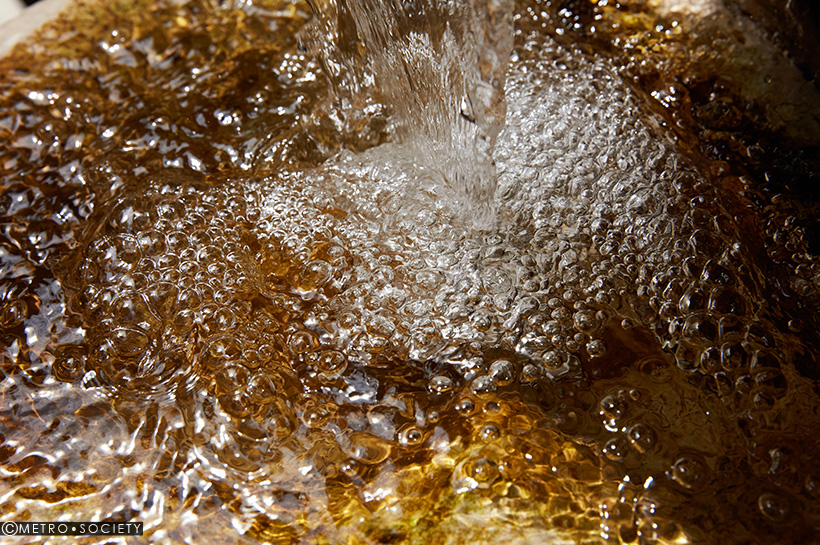
A palette from all over the world
Since joining Louis Vuitton, Jacques Cavallier Belletrud has travelled the world constantly in his search for raw materials. While on a trip to China to verify the quality of a crop of osmanthus, a little flower resembling that of the olive tree (osmanthus is also nicknamed the Chinese olive tree), Jacques discovered an abundance of magnolia and Jasminum sambac plantations. These two varieties are cultivated there to add flavor to local teas, which are then exported around the world. As they are so distinctive in comparison to the jasmine and magnolia grown elsewhere, these Chinese species inspired him. He selected them for his palette of olfactory notes and, once back in Grasse, perfected them by using molecular fractionation to achieve the raw materials he had been dreaming of.
PERFUME AT THE HEART OF THE LOUIS VUITTON SAGA
A legacy of fragrance
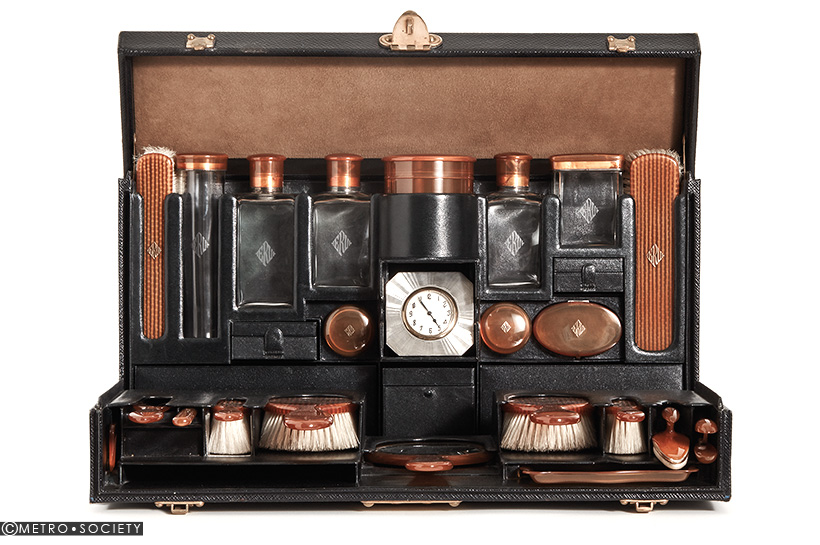
From the creation of its very first trunks, in 1854, a hint of perfume already lingered in the air at the Maison Louis Vuitton. Designed to protect even the most fragile objects during long journeys, these luxurious bags featured padded compartments for scents. Later, in the 1920s, came sophisticated vanity cases and the creation of tortoiseshell hairbrushes, ivory mirrors and perfume vials of all sizes. The house called upon artists to design decorative motifs for engraved crystal bottles: Camille Cless-Brothier, Gaston Le Bourgeois and André Ballet created exquisite pieces known as “Editions d’Art”. Encouraged by the success of these collectible bottles.
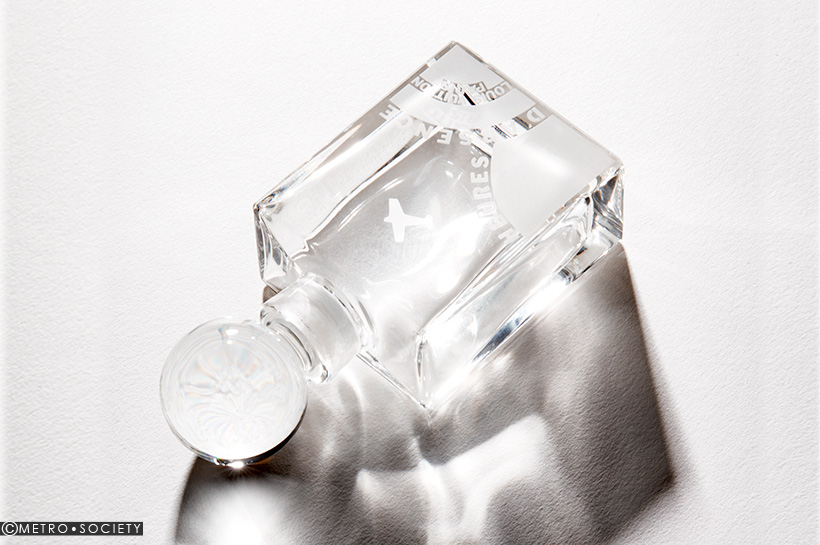
In 1927 Louis Vuitton launched its first fragrance: Heures d’Absence swiftly followed by Je, Tu, Il in 1928; Réminiscences and Eau de Voyage in 1946. The mystery surrounding these olfactory signatures remains intact: while some original bottles still exist in perfect condition, the perfume they contained has long since evaporated. Such an olfactive vanishing act offers the Maison Louis Vuitton formidable carte blanche, leaving it free today to reinvent a true craft and cultivate it over a long period of time.