



Naruto – Konoha Land
- February 11, 2026
-
 2,222
2,222
For many men, Naruto was never something left behind with childhood. It followed them into adulthood, carrying ideas of loyalty, resilience, and self-discovery that still feel relevant today. With Naruto – Konoha Land officially set to open in 2026, the announcement lands as more than a theme park expansion. It feels like a cultural moment one that gives physical form to a shared memory.

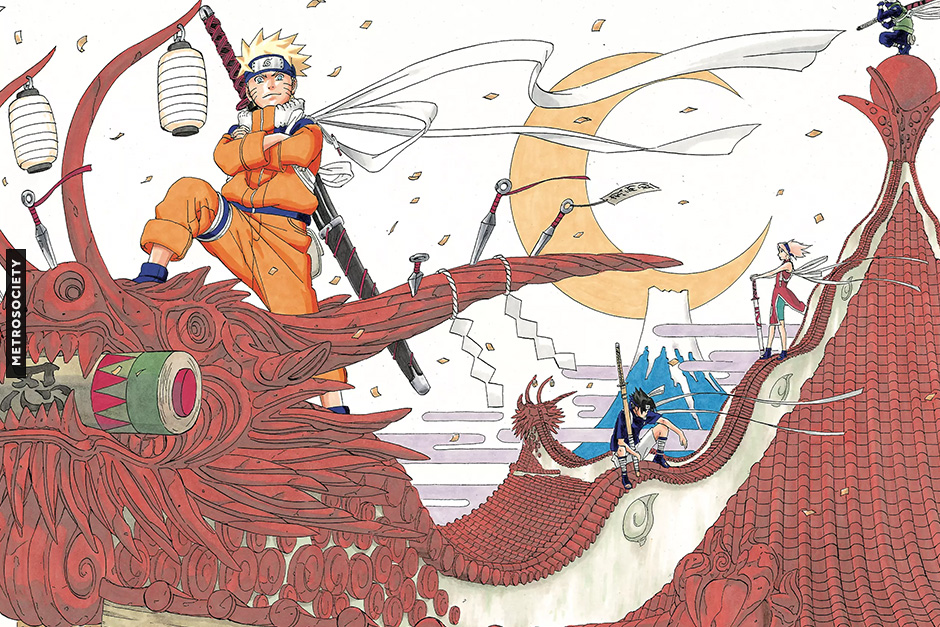
Spanning 1.5 hectares inside Parc Spirou Provence in Monteux, France, Konoha Land marks the first full-scale Naruto destination in Europe. Instead of chasing spectacle for its own sake, the design leans into recognition and atmosphere. The Konoha Gate, the Hokage’s office, and the monumental Hokage faces don’t demand explanation. They assume familiarity, and that quiet confidence is part of the appeal.
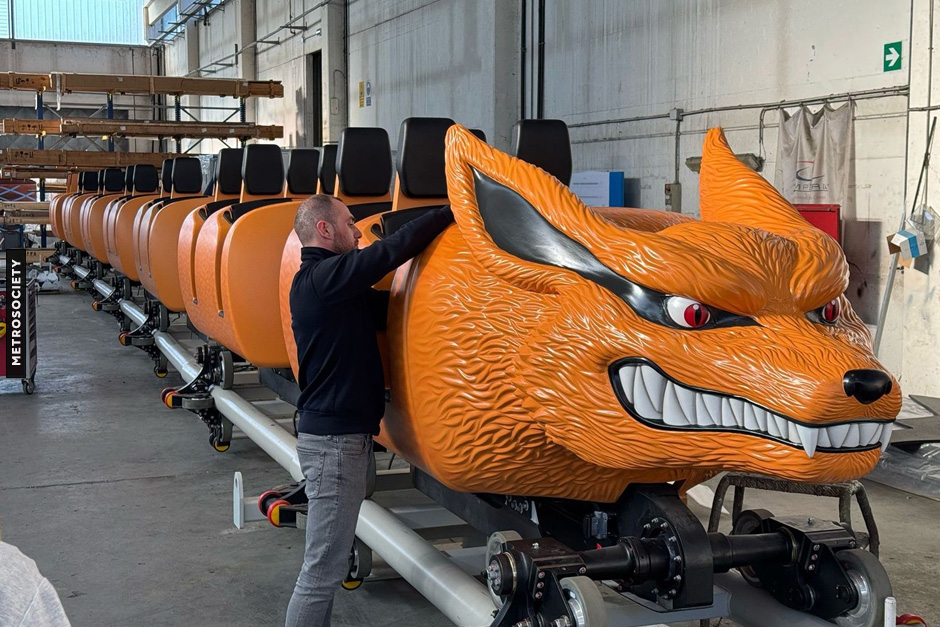
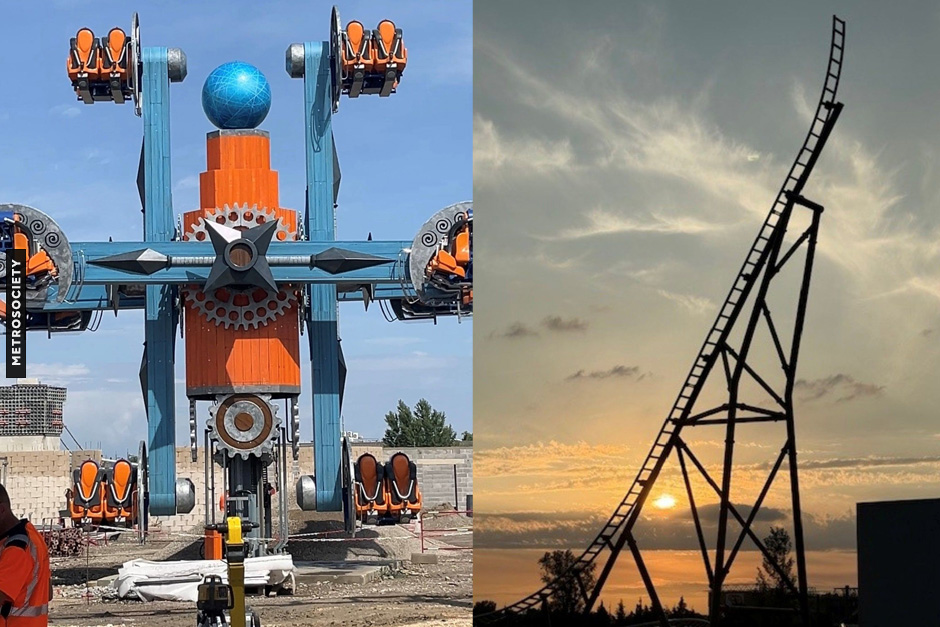
Attractions such as Kyubi Unchained and Rasengan Chakra Rotation aren’t framed as technical achievements. They translate the emotional language of the series contained power, momentum, and controlled chaos into physical experiences. Fans don’t need instructions to understand what these rides are referencing. The connection is instinctive.
Interactive spaces deepen that immersion. A Chunin Exam–inspired obstacle course, Team Kakashi’s training grounds, and more than ten life-sized character statues turn the land into something you engage with, not just observe. It’s designed for visitors who want to participate without feeling like they’ve stepped into a children’s zone.
Food completes the picture. A real-world Ichiraku Ramen and a traditional dango shop anchor the experience in everyday rituals. In Naruto, meals were moments of pause, reflection, and connection. Recreating them in real life reinforces the idea that this world was always about more than battles.
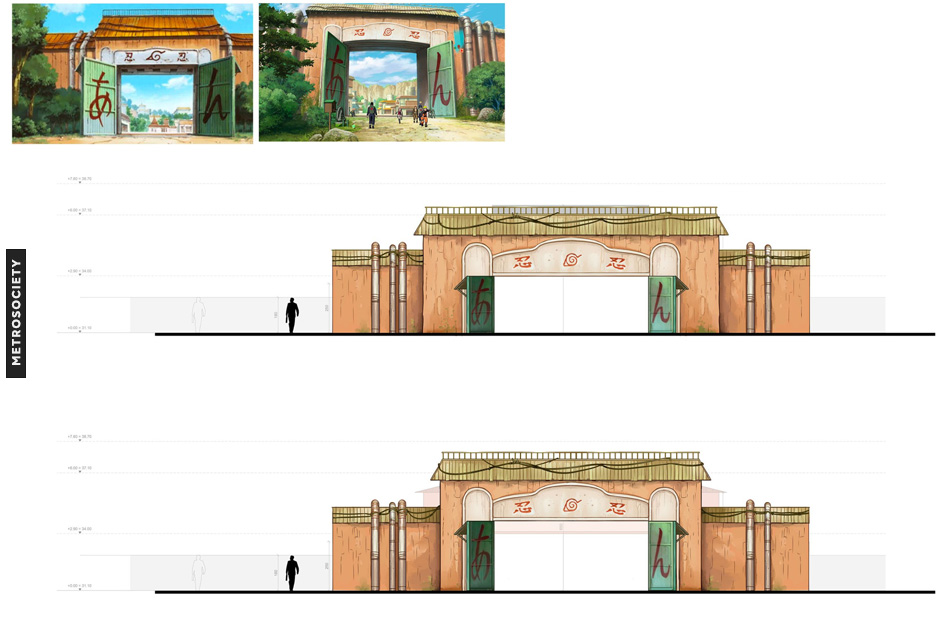
Naruto – Konoha Land doesn’t explain itself, and it doesn’t sell nostalgia aggressively. It exists with the assumption that those who arrive already understand. That restraint is what gives it a mature edge, positioning Konoha not as a fantasy escape, but as a lived-in space that mirrors how its audience has grown.