Polestar Formula 2030
- 2 hours ago
-
 1,886
For years, electric car interiors have been moving toward fewer buttons and bigger screens. Polestar Formula 2030 suggests a different direction. The Swedish brand's latest concept brings back physical controls while introducing a design language that will influence its next generation of production cars.
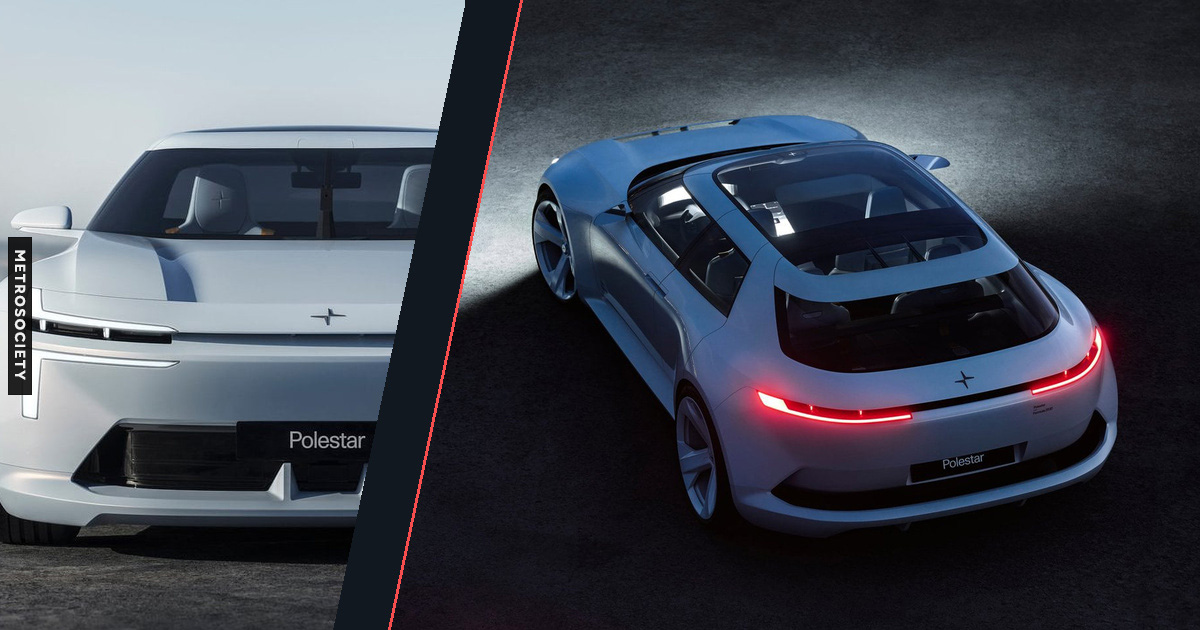
The four-door sports concept is the first show car developed under Polestar's head of design, Philipp Römers. Measuring 4,680mm long, 2,021mm wide and just 1,350mm tall, it combines a low roofline with a rearward cabin and muscular rear proportions. Despite its four doors, the silhouette feels closer to a sports coupe than a conventional electric sedan.
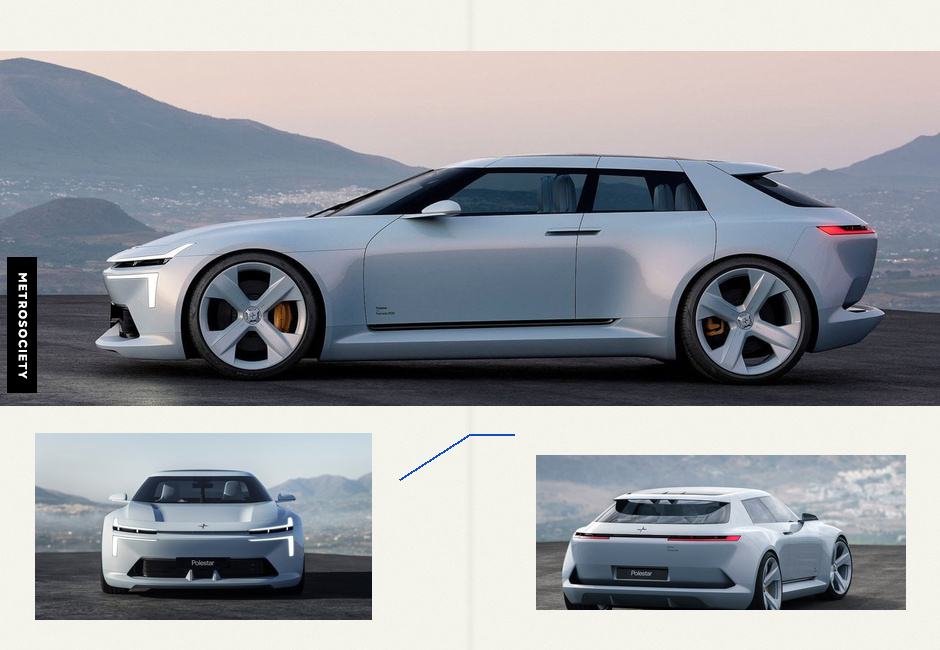
At the front, Polestar retains its recognizable Dual Blade headlights, now integrated with a prominent aerodynamic wing and sculpted nose. The rear introduces Single Blade taillights instead of the familiar full-width light bar. A new exterior finish called Nitrogen changes character under natural light, while Swedish Gold accents appear on the Brembo brake calipers and selected details throughout the car.
Inside, the most interesting feature is surprisingly simple: eight physical controls. Each can be configured as a rocker switch or rotary dial, with customizable functions. It is a practical response to the increasingly screen-dependent interiors found in modern electric vehicles.
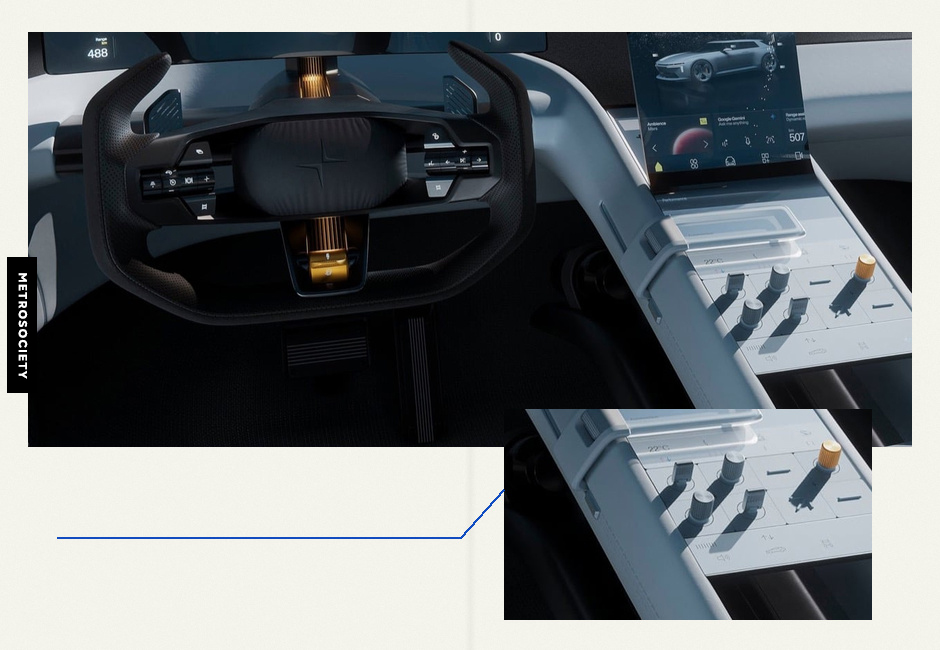
Technology still plays a major role. A curved 20-inch HyperDIM driver display moves with the steering column, while a 12.2-inch central screen adjusts its position depending on the selected driving mode. In Performance mode, the controls move closer to the driver. Autonomous mode creates a more relaxed cabin arrangement by changing the positions of the seat, steering wheel and display.
Other concept details include rear-hinged doors without a central B-pillar, a transparent luggage compartment floor and interior materials incorporating natural fibers and lower-emission steel.
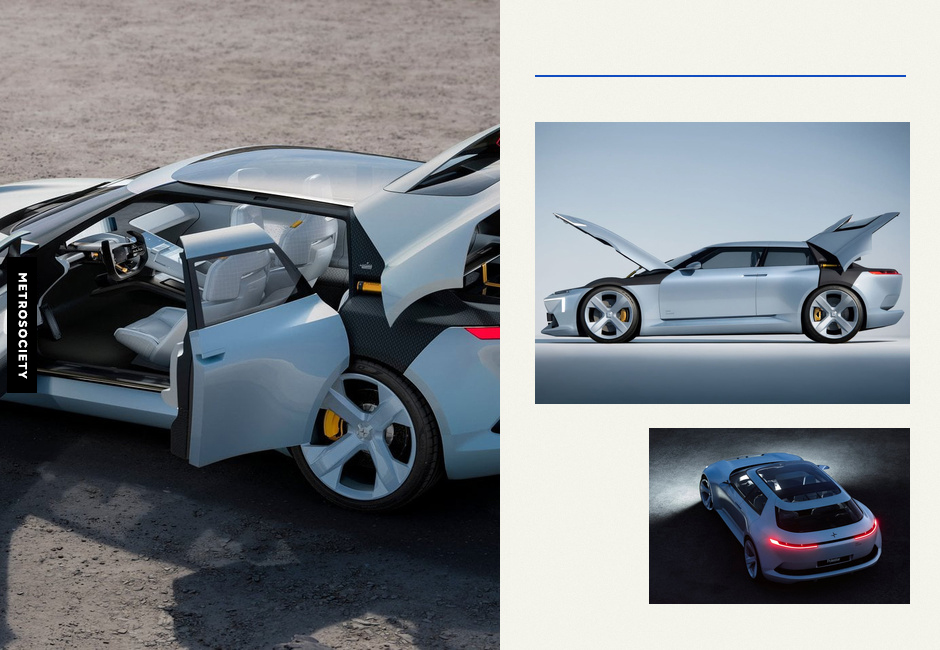
Polestar has confirmed that elements of Formula 2030 will influence the next Polestar 2, expected in 2027, and Polestar 7, scheduled for 2028. The new front-end design and rear lighting are among the features intended for production, although performance figures, driving range and pricing remain undisclosed.