How to Roll Up Shirt Sleeves
- October 19, 2026
-
 105,486
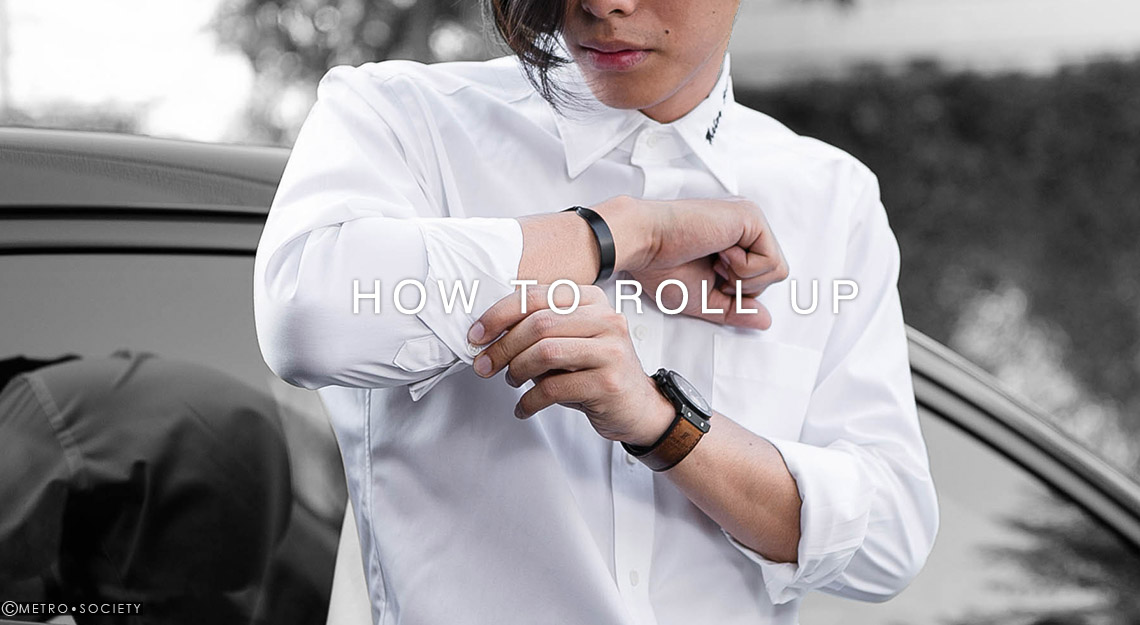
Two men can wear the same white shirt and give off completely different impressions. Sometimes, the difference comes down to something as simple as how they roll up their sleeves.
Most of us do it without much thought. It gets warm, we're about to work, or we simply want our sleeves out of the way. Yet in menswear, rolling up a shirt sleeve can also change the character of an outfit.
Why Does It Matter?
A long-sleeved shirt traditionally creates a more polished appearance, particularly when paired with tailored trousers or leather shoes. Rolling up the sleeves exposes the forearms, changes the shirt's proportions, and can make the overall look feel more relaxed and approachable.
Consider a white shirt worn buttoned up for a business meeting. Now imagine the same shirt with the collar open and sleeves rolled after work. The outfit is essentially unchanged, but its mood is different.
The expression "roll up your sleeves" also reflects an association with getting ready to work. In everyday dressing, however, the effect is primarily visual. Rolled sleeves do not automatically communicate confidence, competence, or leadership. Context and the rest of the outfit still matter.
What Do Rolled Sleeves Say About Your Style?
The most noticeable difference is how deliberately the sleeves are arranged.
Simply pushing the fabric upwards can leave it bunched around the elbows. A considered fold creates a cleaner line through the arm and helps the shirt maintain its shape.
That doesn't mean every fold has to be perfectly symmetrical. A relaxed linen shirt, for example, can look better with a slightly imperfect roll.
Knowing how to roll your sleeves is ultimately about choosing the right balance between comfort, practicality, and appearance.
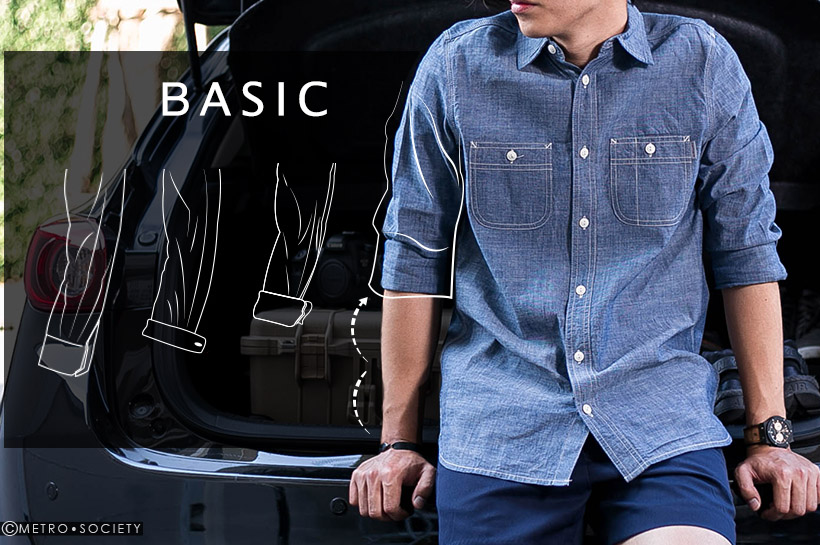
1. BASIC ROLL
A straightforward, practical option for everyday dressing.
How to do it: Unbutton the cuffs and sleeve openings. Fold the cuff back once, then continue folding in similarly sized sections until you reach the elbow or slightly above it.
Keep the fabric smooth and avoid making the fold too tight. Cotton shirts work particularly well with this method.
The Basic Roll feels functional and uncomplicated, making it a useful choice for casual days or situations requiring more freedom of movement.
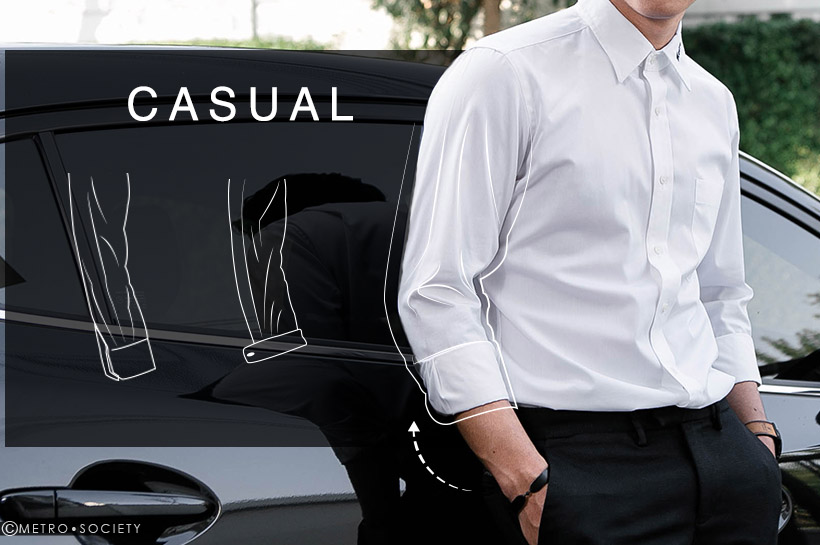
2. CASUAL ROLL
For a more understated appearance, keep the fold around the middle of your forearm or just below the elbow.
How to do it: Unbutton the cuff, turn it outwards, and fold it over again so the cuff is tucked beneath the fabric. Smooth the edges and adjust the height.
This creates a relaxed look while maintaining the shirt's shape. It works well with chinos, jeans, or relaxed tailoring, particularly when the collar is slightly open.
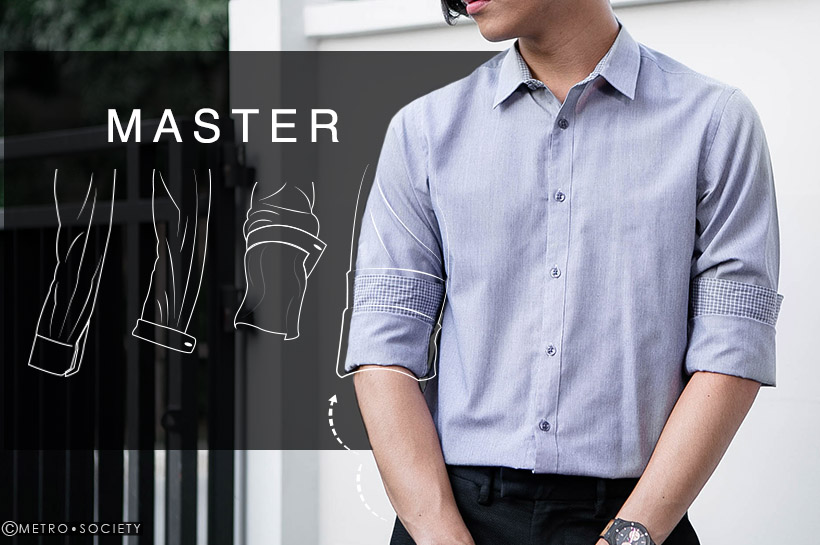
3. MASTER ROLL
Also known as the Italian Roll, this method brings more attention to the details of your shirt.
How to do it: Unbutton the cuff, turn it inside out, and pull it towards the elbow. Then fold the lower sleeve fabric upwards over the cuff, leaving a small section of the cuff exposed.
The result is a structured roll that works particularly well with contrasting cuff fabrics or patterns.
It is a useful option when you want a smart-casual outfit to feel more considered without introducing additional accessories.
How High Should You Roll?
There is no universal rule. The right height depends on your proportions, shirt fabric, and the situation.
A fold below the elbow generally works well for smart-casual dressing. Rolling higher is more practical when you need greater movement.
Avoid excessive tightness, especially with slim-fitting shirts or heavier fabrics. And remember that rolled sleeves may not be appropriate for more formal dress codes.
The point isn't to master a complicated technique. It's to understand how a small adjustment can influence the overall look of what you're wearing.
Sometimes, making an outfit feel more personal doesn't require another piece of clothing. It simply requires paying attention to the one you're already wearing.